2Impact · Iraq

Evidence that moves people and progress.

We combine field understanding, smart collection, and analytical clarity to help organisations make stronger decisions.

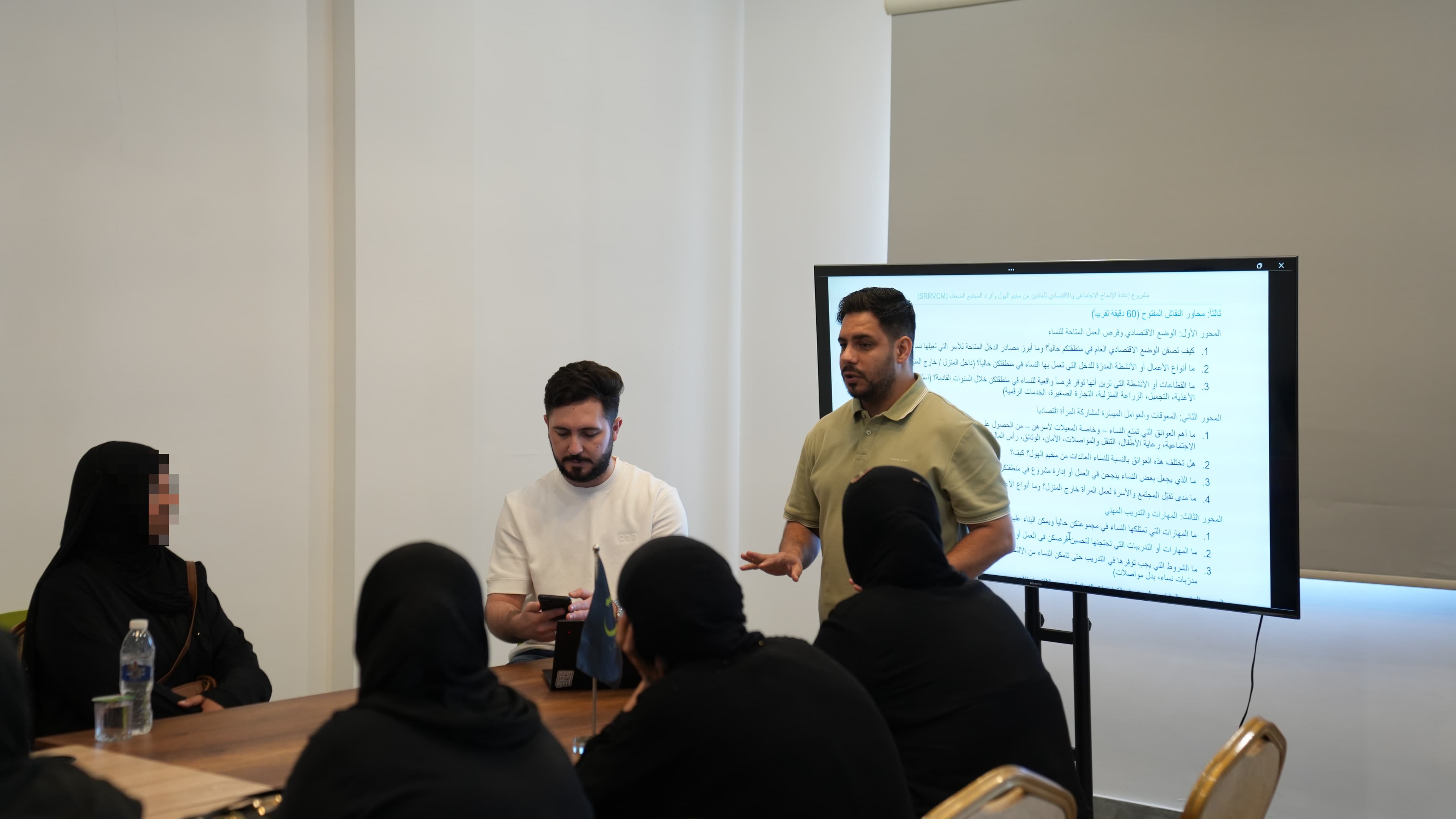
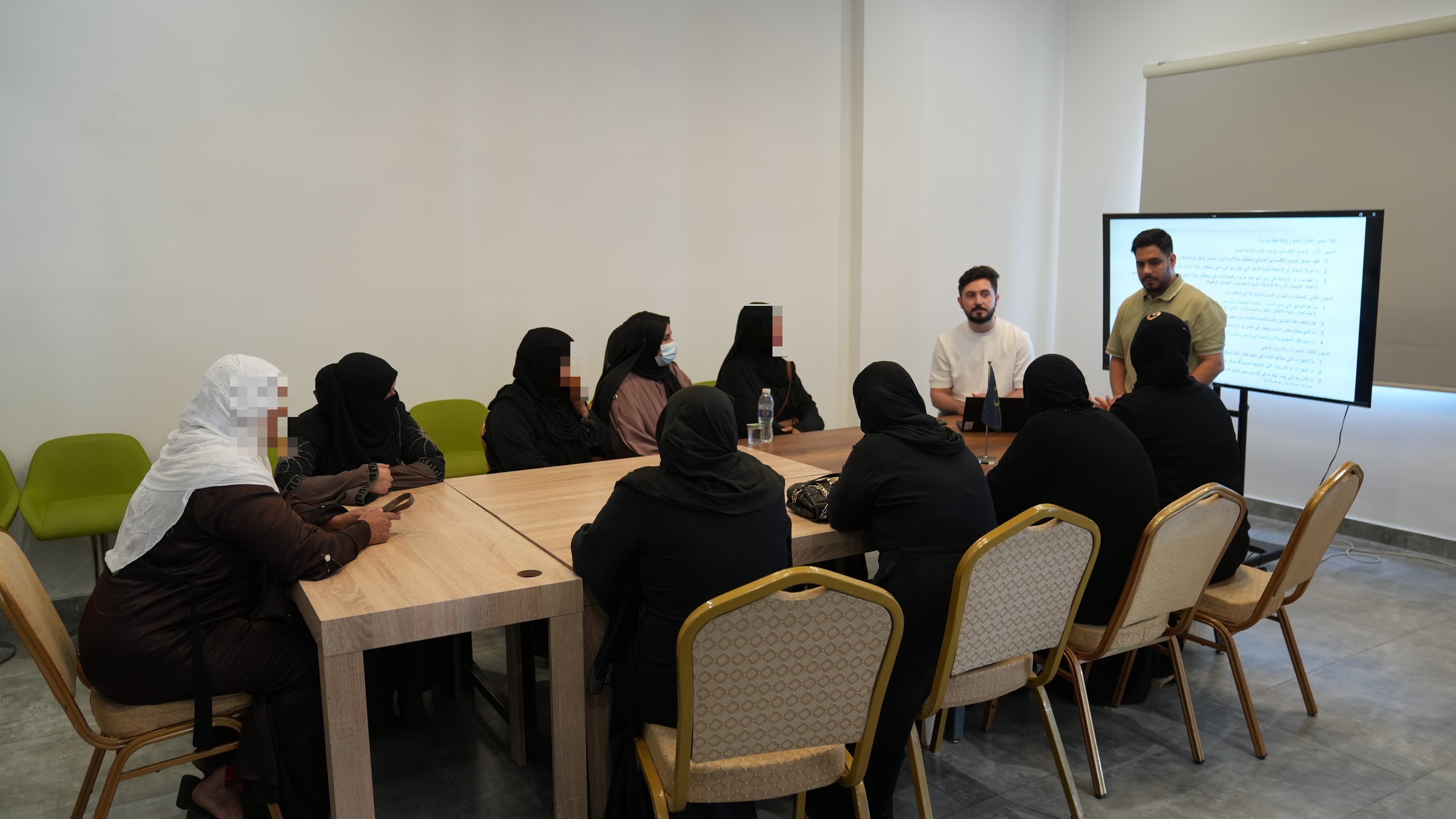
Participants and facilitators sharing perspectives during a community workshop.
Data boutique

For measurable
change.

Built for real decisions

Local context. Rigorous evidence. Useful outcomes.

2Impact is a data boutique delivering data systems and analytics solutions for evidence-based decision-making, performance improvement, and measurable impact across Iraq.

We work at the meeting point of Monitoring & Evaluation, technology-enabled collection, and Data Analytics & BI—so teams can see what is happening and decide what to do next.

  • Evidence design
  • Field intelligence
  • Decision support

Our services

A complete evidence practice, built around your work.

From field insight to executive decisions, every service is designed to make data more useful.

  1. Monitoring usually gets added after a programme is already running, which is why it so often ends up counting whatever is easiest to count.

    We prefer to work the other way round. We agree what success would actually look like, choose indicators your field team can realistically collect week after week, and set the reporting up so a problem shows while there is still time to do something about it. By the time the evaluation comes, it answers the questions people really ask in the room — did this work, who did it work for, and what would you do differently next time — and every figure in it can be traced back to who said it and when.

  2. Reports travel up a chain, and detail gets smoothed on the way.

    So we go ourselves — walk the site, count what is in the store, sit with the partner’s staff, and talk to the people the programme is meant to be serving. Our teams reach places that take planning and patience to get to, and we build the forms carefully enough that the data comes back clean the first time rather than needing to be chased for a week. If what we find on the ground does not match what was reported, that is in the report too. That is the whole point of hiring someone from outside.

  3. A lot of programme design rests on assumptions nobody has tested lately — which sectors are hiring, what a market is short of, what a community would actually use.

    We go and find out. That means interviews with the institutions and employers who know the local economy, group discussions with the people who live in it, surveys where numbers are needed, and a read of whatever has already been published. Then we put the three against each other instead of leaning on whichever one is most convenient. We keep findings split by place, by gender and by who is being left out, because an average across three districts usually describes none of them.

  4. We do the whole stretch, not one piece of it.

    We write the questions in Arabic and English, build them into a digital form that works offline when there is no signal, train the people who will ask them, and run the fieldwork. Then we clean the data and analyse it by smart technology, and we write down what we did, which records we dropped and why, which figures are live calculations and which are fixed. You get something you could hand to an auditor, not just a chart. And names come off the data before it leaves the field, not later.

  5. A baseline is only worth having if the endline can actually be compared to it, so we design the two together — same indicators, same sampling logic, same wording in the questions, written down in enough detail that a different team could repeat it in two years and get a figure you could stand beside the first one.

    And when a baseline was never collected, we tell you that plainly and set out what can honestly be done instead. We will not build one backwards from memory and present it as a measurement.

Selected work

Four assignments. One standard of evidence.

Monitoring, evaluation and data work delivered across Iraq for international donors and development partners — from a national financial-inclusion study to the selection of 600 entrepreneurs against six mandatory quotas.

ILO PROSPECTS Phase IINinewa, IraqBeneficiary selection2026

Selecting 600 entrepreneurs from more than 2,500 applicants

  • 2,500+applications screenedcleaned, scored and ranked
  • 600beneficiaries selectedquota-optimised
  • 06mandatory quotasmet at the same time
  • 12workbook sheetsall on live formulas

The challenge

An outreach campaign produced more than 2,500 applications for an enterprise development programme carrying six mandatory quotas that had to be satisfied at the same time — track split, gender, disability, displacement status, literacy and geography. Ranking by score alone could not meet them.

What we did

We cleaned and de-duplicated the dataset, removing repeated records and applicants outside the eligible age band to leave a verified pool. A transparent scoring model was then paired with an optimisation routine that exchanged selections until every quota was met without breaking the track split between existing businesses and new business ideas.

What was delivered

A twelve-sheet workbook with a live KPI dashboard, a refreshable pivot analysis, category sheets for documentation collection, and a methodology and audit trail. Every figure runs on live formulas, so editing a selection recalculates the compliance scorecard instantly.

Delivered as the MEAL and analytics unit of QAF Lab, working within its contracting framework.

From data to impact

Every insight starts somewhere.

Follow a response from the field to a decision that makes a difference.

A closer look at how we work

Collect A field response is filled in, checked, and saved. Good decisions begin with information you can trust.

Analyse A Python script cleans the responses and groups the results. A compact table makes the pattern clear.

Impact Progress comes into focus. The light turns on: a clear insight, ready to inform the next decision.

People become evidence.

A field response is filled in, checked, and saved. Good decisions begin with information you can trust.

Sectors we serve

One evidence language. Five distinct operating realities.

We shape the method around the people, mandates, and decisions in front of us.

  • Public Sector

    Government institutions and public bodies

  • Private Sector

    Companies and SMEs

  • Startups & Innovation

    Startup teams and innovation ecosystems

  • Civil Society

    Non-profit organisations and NGOs

  • Hybrid Initiatives

    Mixed and multi-sector initiatives

Why 2Impact

Evidence should not end in a file.

01

Evidence-first

Sound methods, rigorous collection, and useful interpretation.

02

Technology with a purpose

Tools chosen for field realities, not novelty.

03

Context-informed

Deep attention to Iraq’s local operational environment.

04

End-to-end

Collection, analysis, visualisation, and decision support in one practice.

The team

The people who go and look.

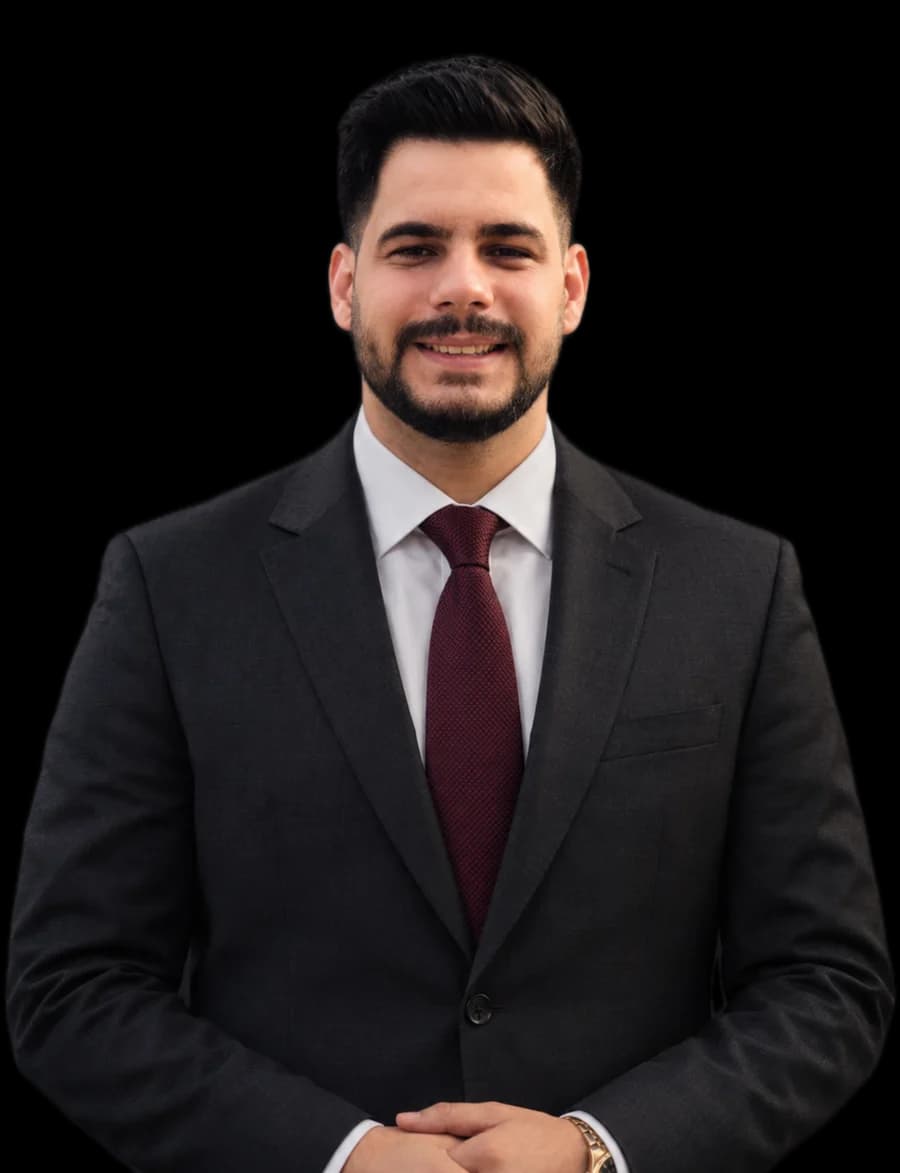
Methodologists, field leads and analysts who design the measurement, run the fieldwork and stand behind every figure we hand over.

Selected collaborators

Let’s make it useful

Bring your next decision into focus.

Whether you are building an M&E system, planning fieldwork, or making sense of complex data, we would love to hear what you are working on.

info@2impact.xyz Mosul, Iraq · Incubated by QAF Lab